


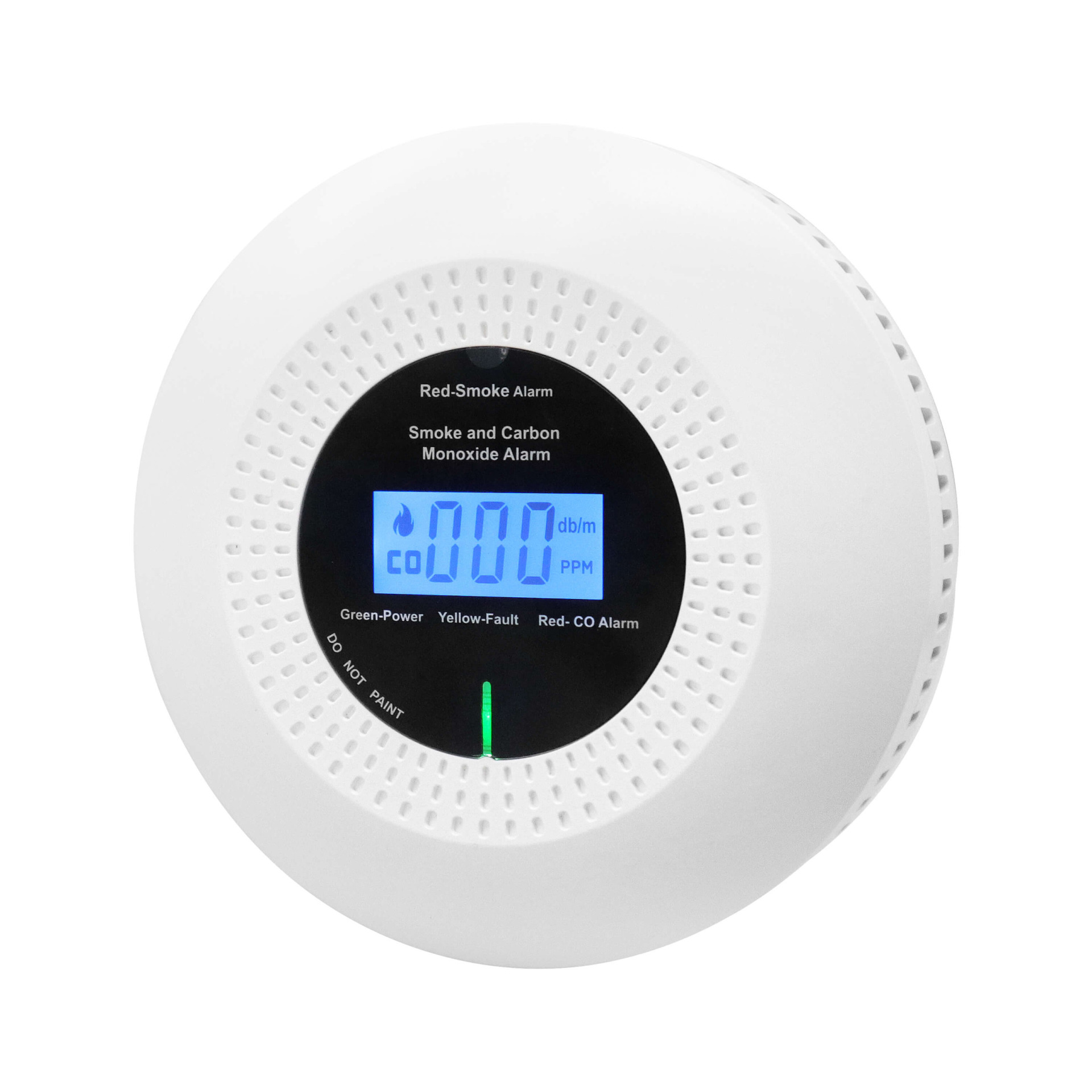
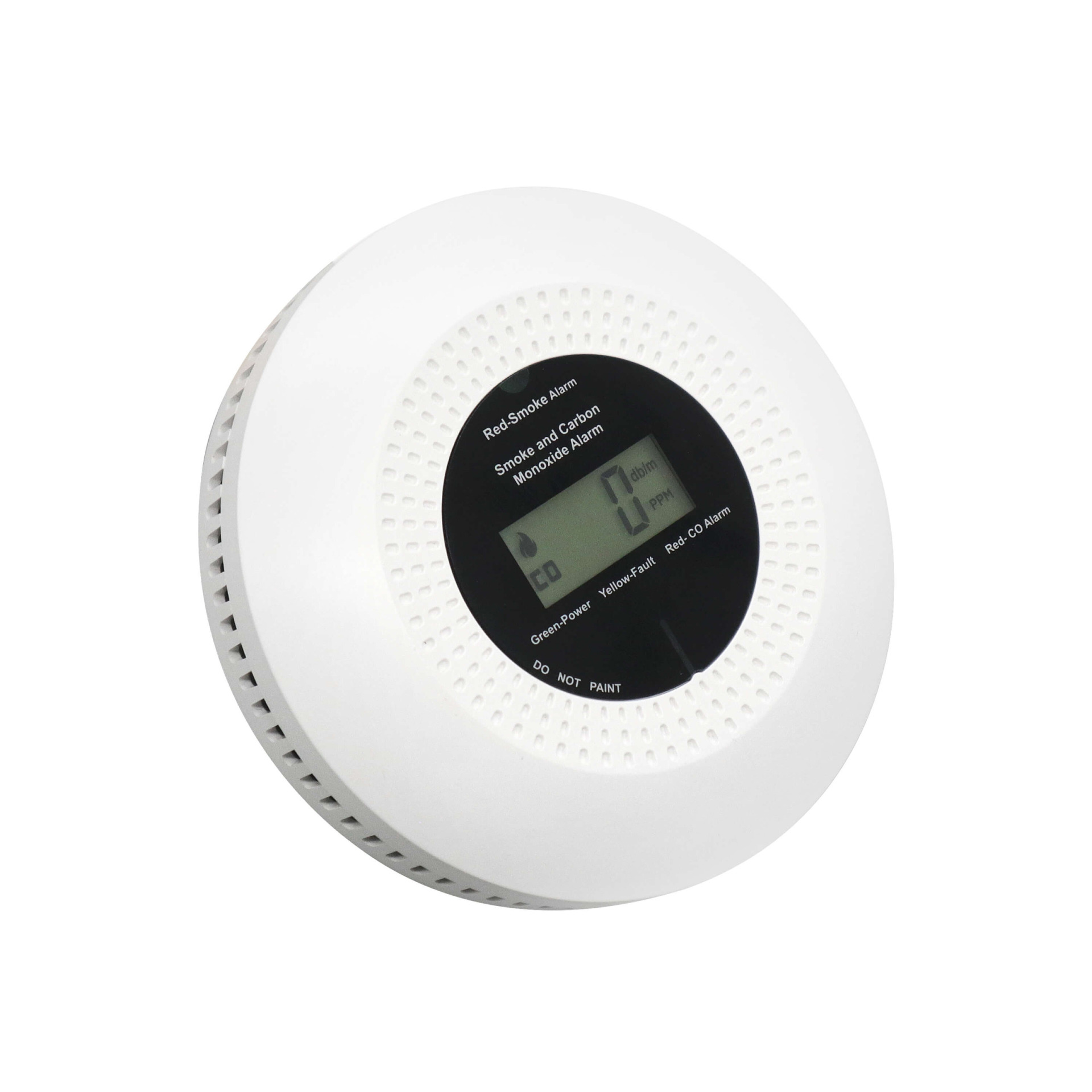
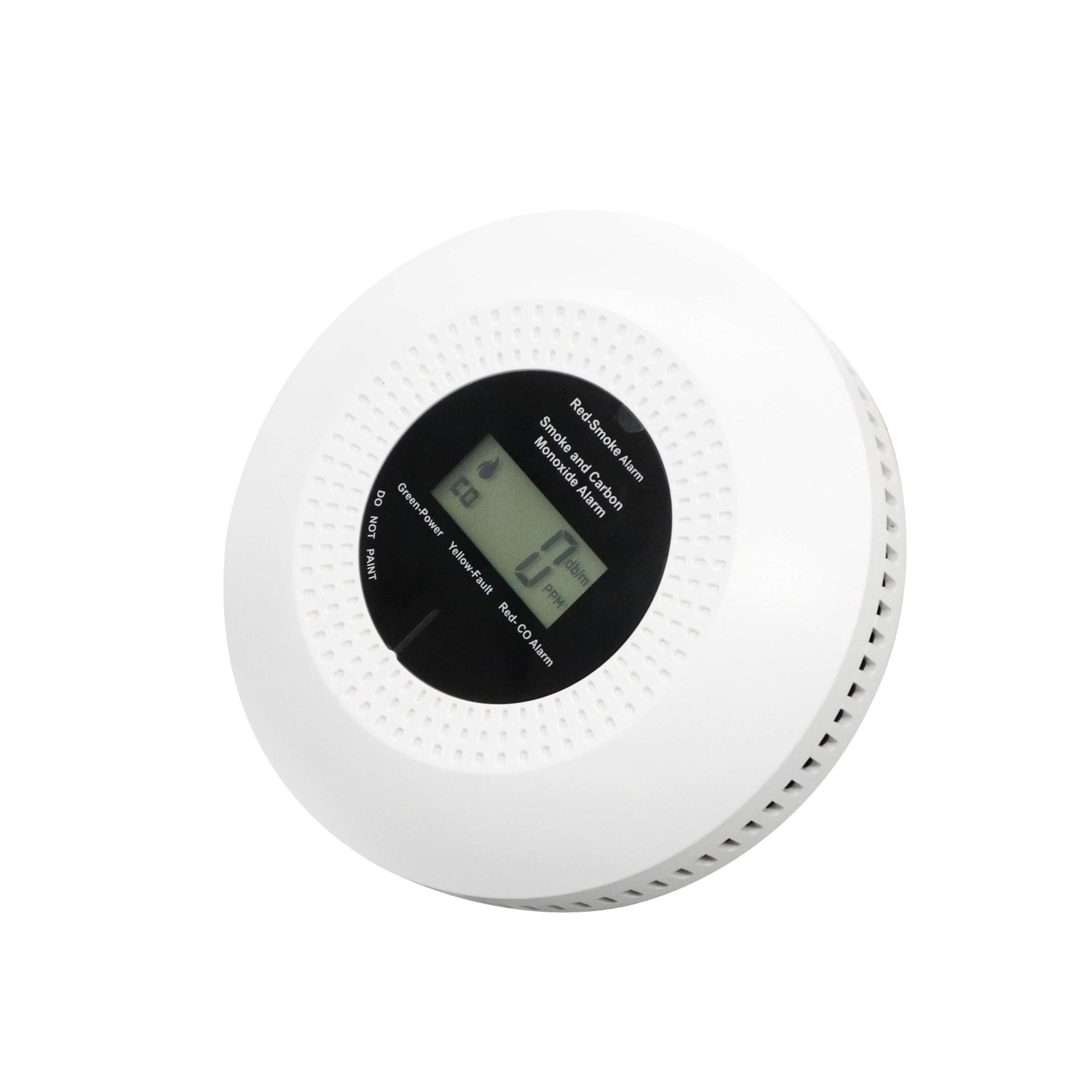

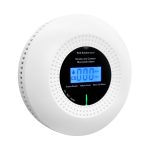

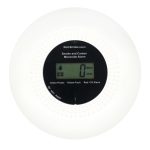
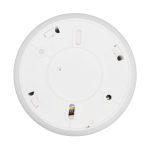
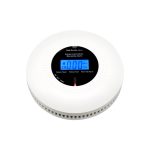
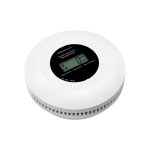
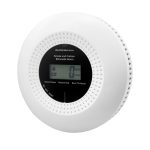
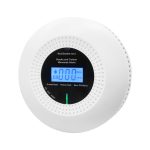
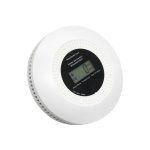
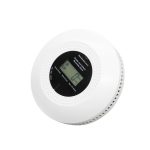


Network-Connected Carbon Monoxide (CO) and Smoke Detector
30,00 €
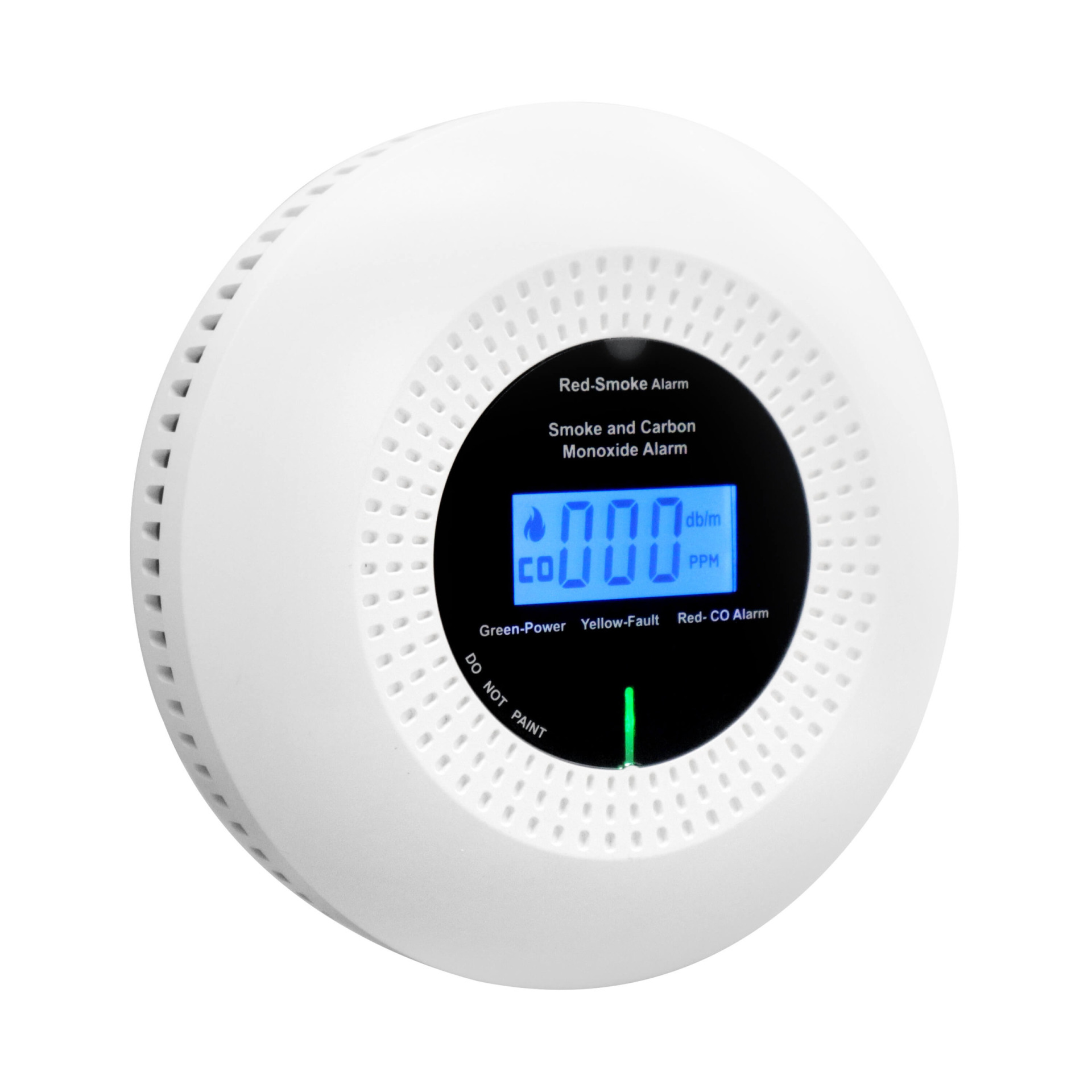
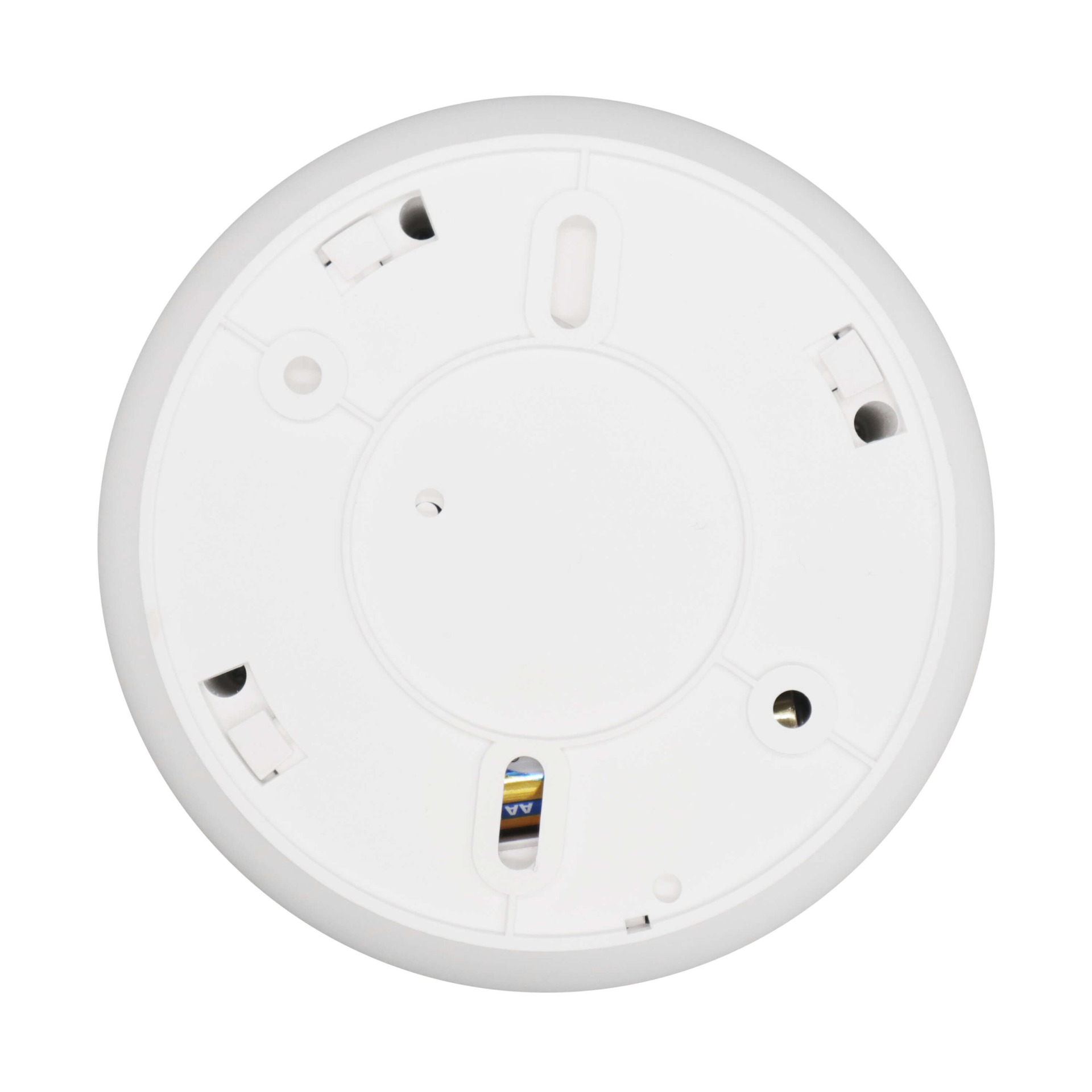
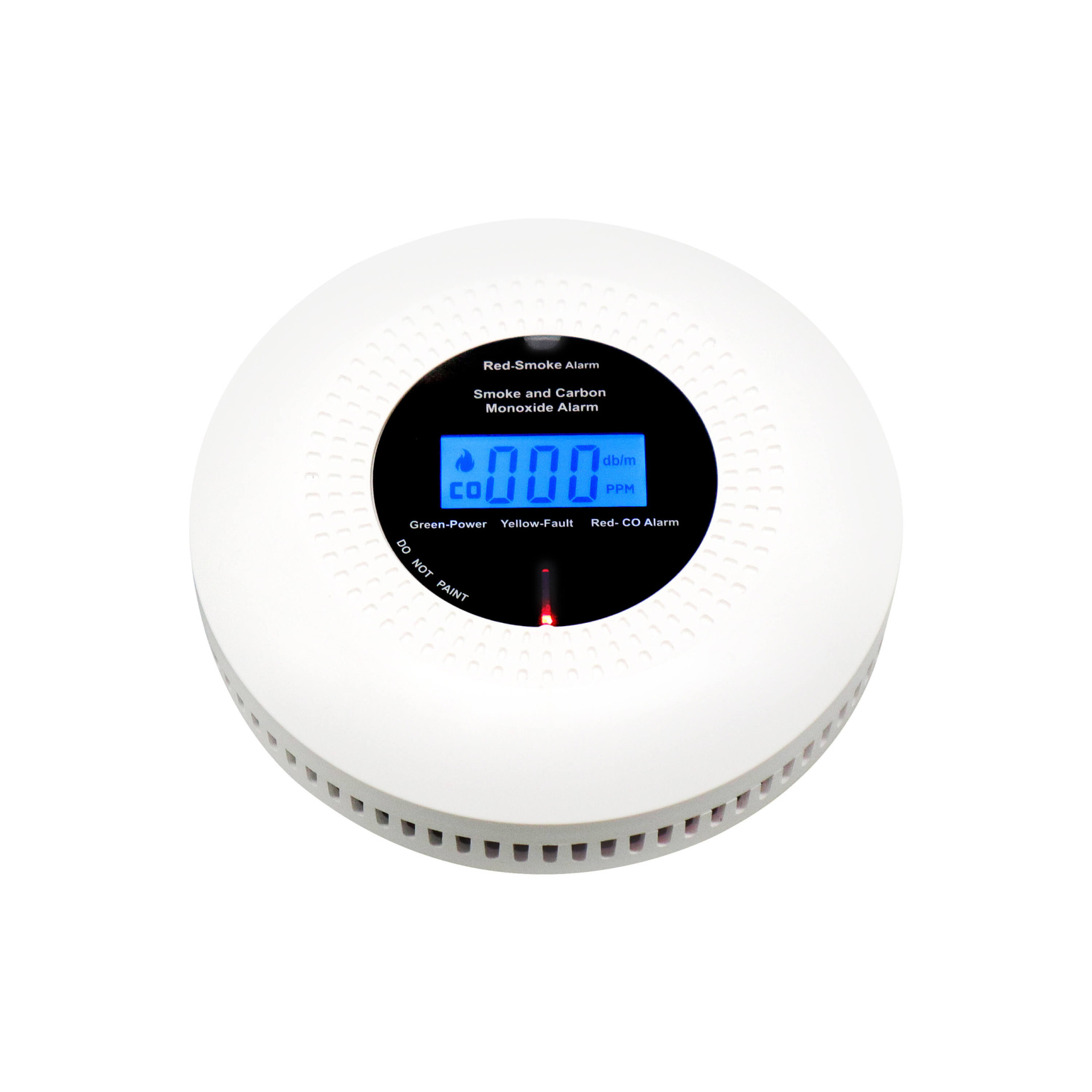
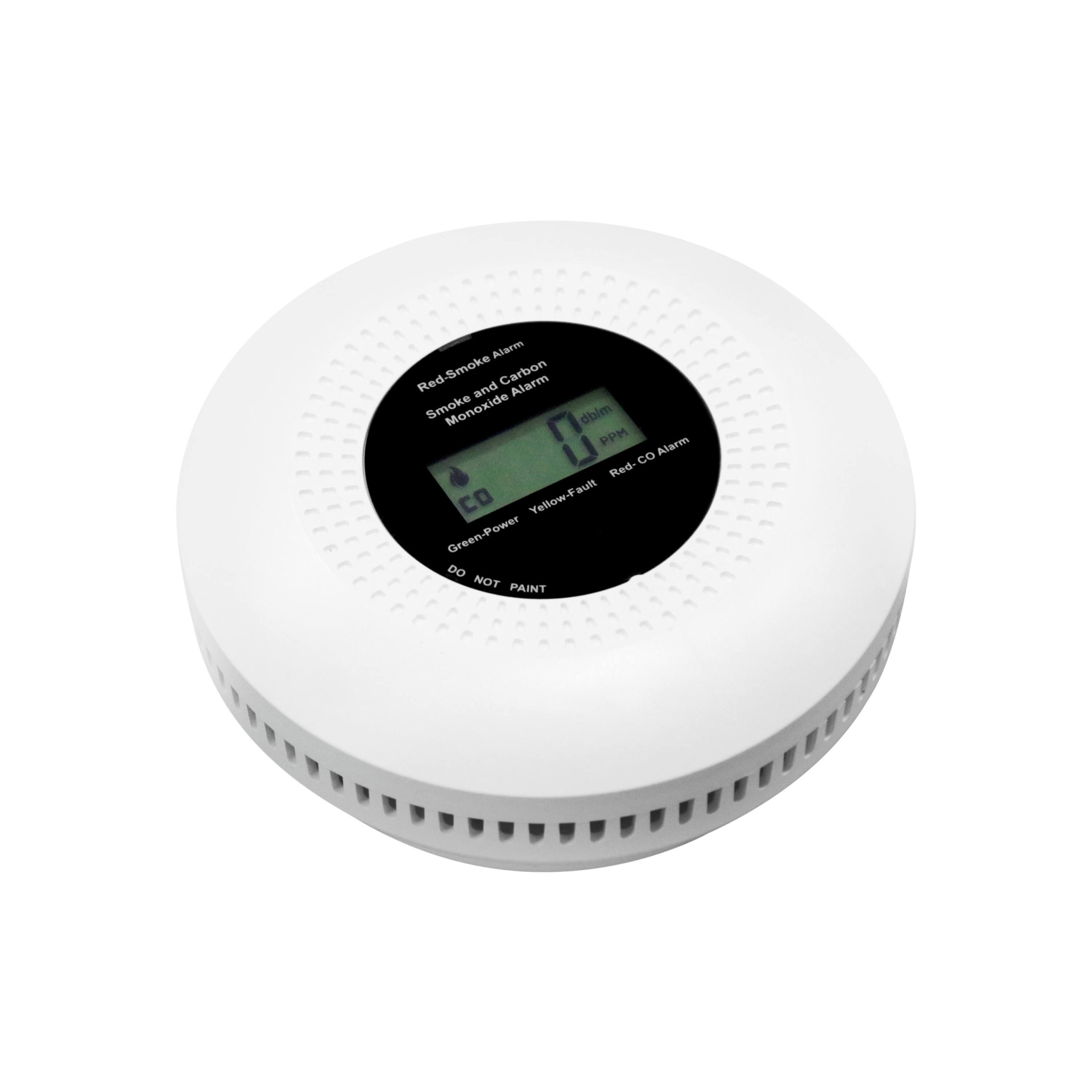
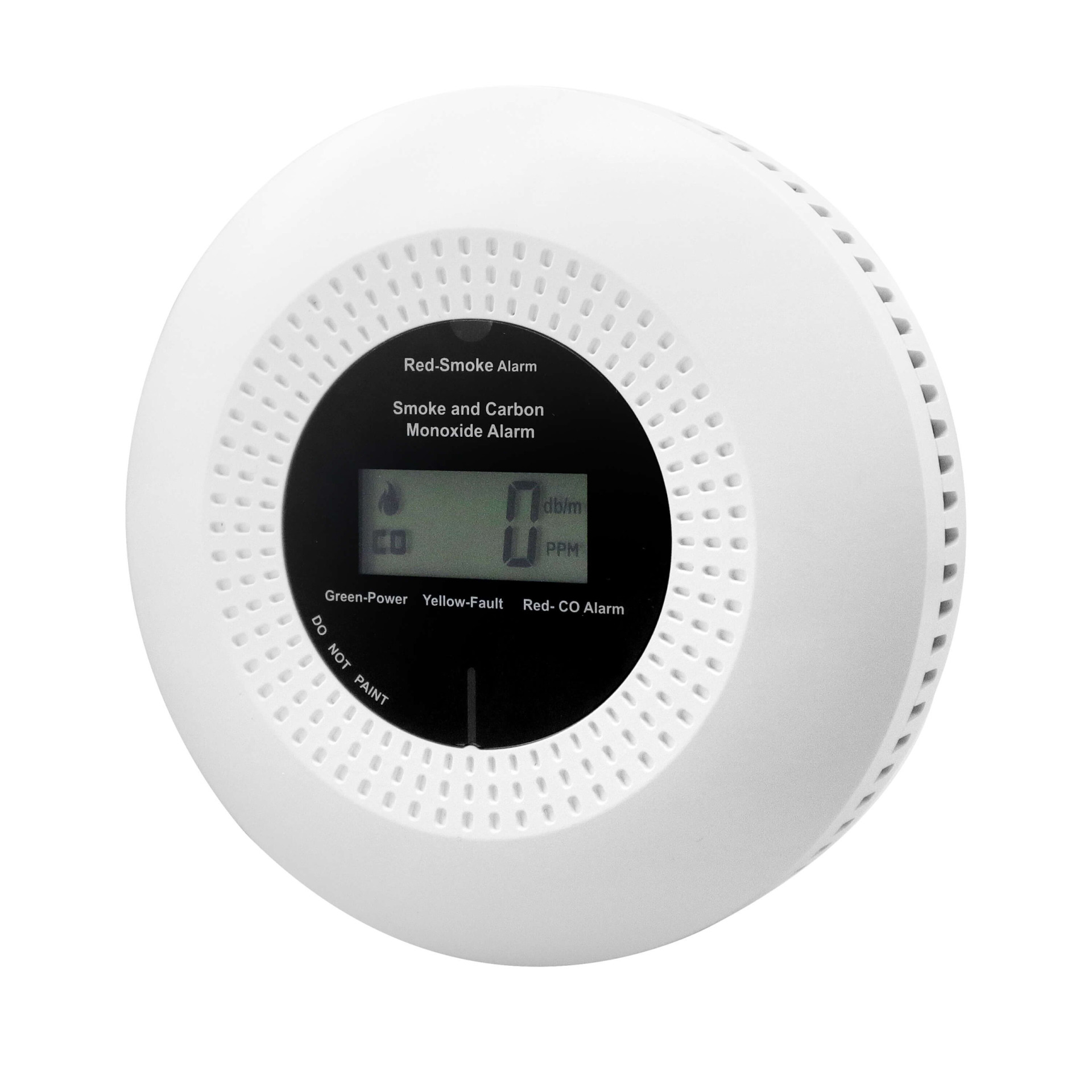
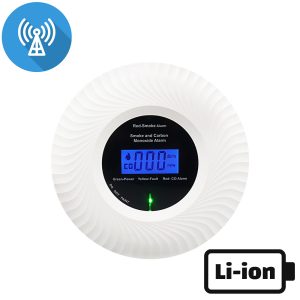
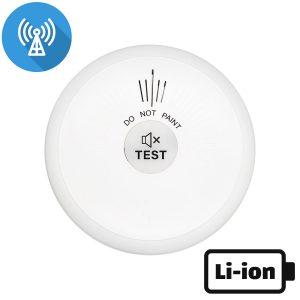
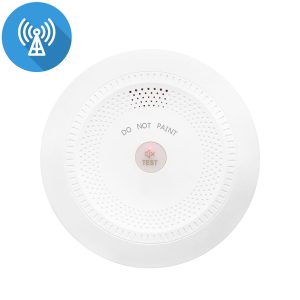
A compact gas detector that will alert you to high concentrations of carbon monoxide (CO). Protects against suffocation from highly toxic CO. Features an RF module that enables network connectivity between all detectors, enhancing your safety.
In stock
Description
The JKD-514COM-R is equipped with sensors for carbon monoxide (CO) and smoke sensors to alert you not only to dangerous levels of highly toxic carbon monoxide, which can be fatal, but also to smoke, which may be caused by a fire.
With network connectivity, this detector provides a high level of protection by linking multiple devices for faster notification in case of danger.
Key Features of the JKD-514COM-R
- Network Connectivity: Synchronizes alarms across all detectors in the system
- Electrochemical and photoelectric sensor: Reliable and certified to BDS/EN/ISO 50291-1, 14604
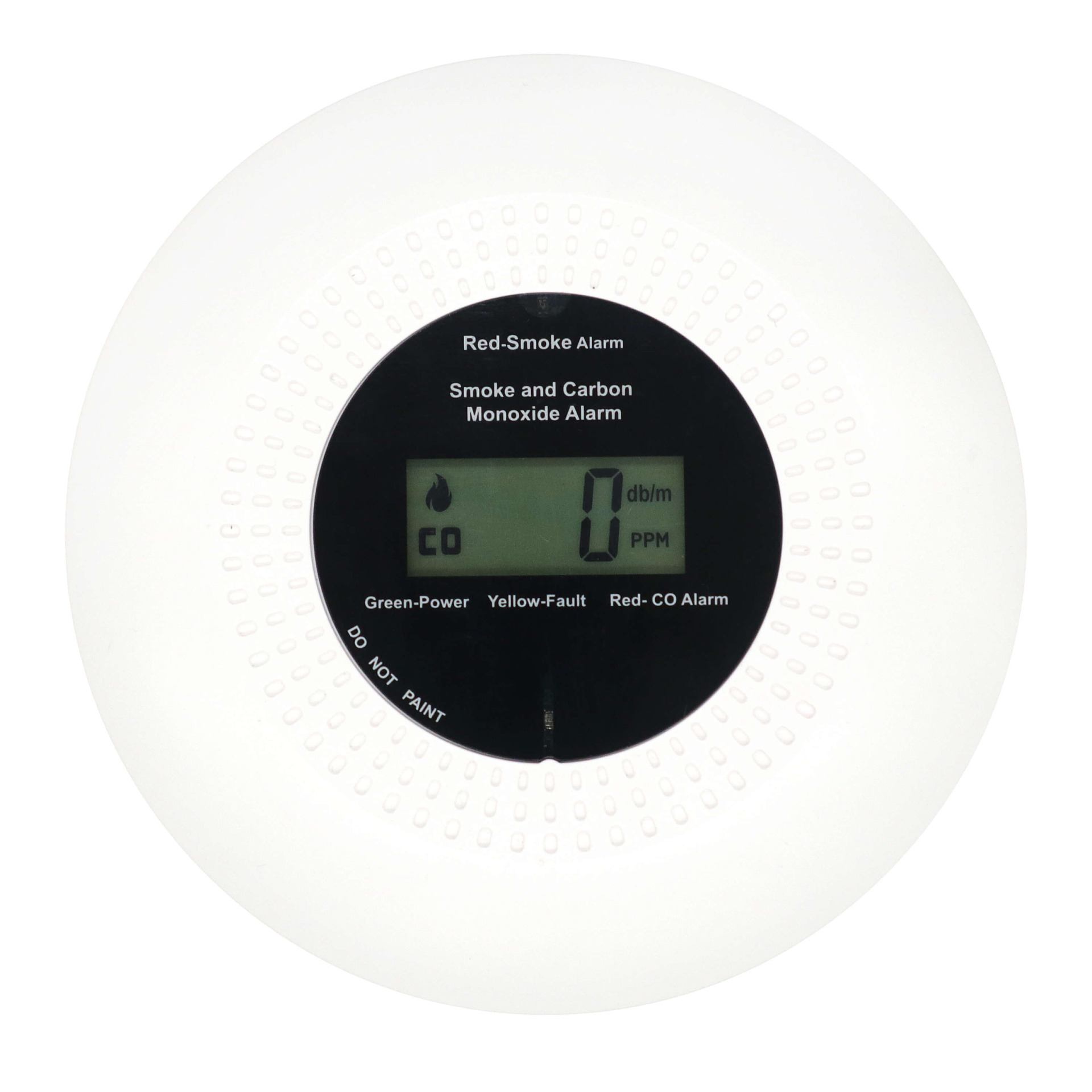
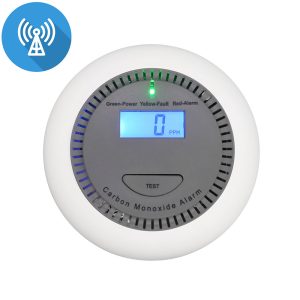
- LCD Display: Displays the exact CO concentration in ppm (parts per million)
- Power Supply: Runs on 2 AA batteries
- Modern design and compact size
- Alarm: Audible and visual alarms
Where should you use the gas detector?
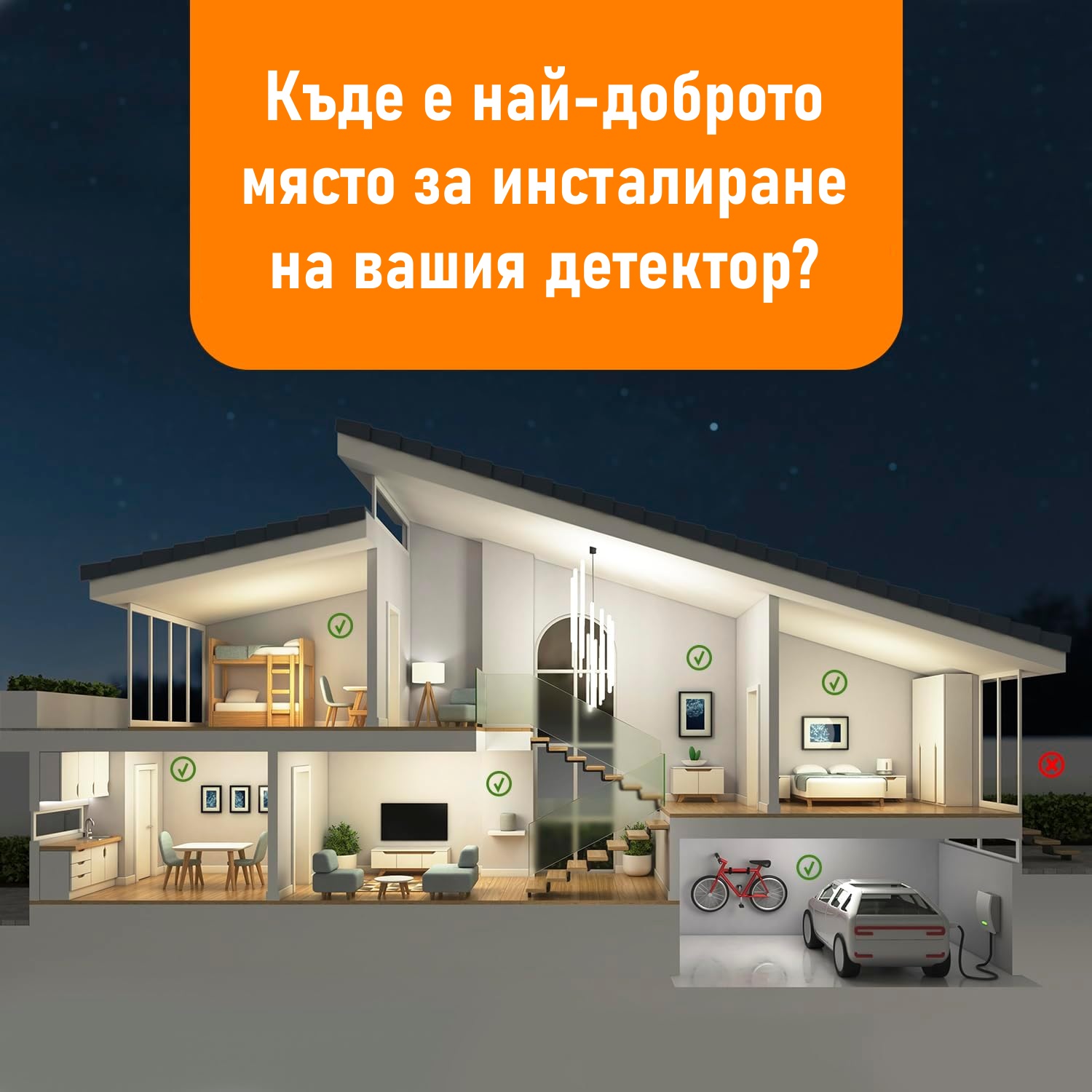
- In residential properties, including houses, apartments, and condominiums heated with wood and coal. Detectors should be placed near sleeping areas, as carbon monoxide poisoning often occurs while people are asleep.
- Garages: because vehicles running in enclosed spaces produce dangerous levels of carbon monoxide.
- Other rooms where fuel-burning appliances, such as furnaces, boilers, or water heaters, are used. Detectors should be installed near these appliances to monitor for CO leaks in the room.
- RV, trailers, and yachts – Carbon monoxide detectors are essential in campers, RVs, and yachts, as they are all equipped with combustion-based heating appliances, stoves, cooktops, and, in some cases, internal combustion engine-powered generators.
What is network connectivity?
Detectors with this feature can connect to one another. If one of the detectors detects carbon monoxide, all devices in the network trigger an alarm. This provides a higher level of protection, especially in apartments and houses with multiple rooms.
Example: If the detector in the garage detects CO, the alarms in the bedrooms will go off immediately, even if they’re several floors away.
Isn’t it excessive for the detectors to go off everywhere?
Your life and property are more valuable than the possibility of an alarm waking you up or interrupting your favorite show.
Can I easily silence the alarm?
Yes, you can silence each detector for 10 minutes by pressing the TEST button. This is enough time to check all rooms for the hazard.
About Carbon Monoxide (CO)
Carbon monoxide (CO) is a dangerous, highly toxic gas that is odorless and colorless. It is released during various chemical processes. In the home, the danger most often stems from the incomplete combustion of hydrocarbons. Sources include all types of heating appliances that use combustion: gas appliances, fireplaces, wood-burning stoves, and solid-fuel or gas water heaters. Other sources of carbon monoxide include vehicle exhaust and cigarette smoke.
Incomplete combustion most often occurs when oxygen is restricted to prolong burning—a common practice used to increase heat output from a stove at night. Switching the stove to “smoldering” mode carries the risk of incomplete combustion, during which this dangerous and highly toxic gas begins to be released. Since it is odorless and colorless, a person cannot detect its presence! Upon exposure to low to moderate concentrations of carbon monoxide, a person initially experiences headaches and dizziness. With prolonged exposure or exposure to very high concentrations—even for a short time—there is a risk of death. The greatest risk occurs during sleep, as the first signs of carbon monoxide poisoning will go unnoticed.
Why Is It So Toxic?
When inhaled, carbon monoxide binds to hemoglobin in the blood—the primary compound responsible for transporting oxygen in the human body—thereby reducing the amount of oxygen circulating in the body.
For the Curious
Carbon monoxide converts hemoglobin into carboxyhemoglobin, causing hypoxia. The chemical bond between carbon monoxide and hemoglobin is 230 times stronger than that between hemoglobin and oxygen, which is why hemoglobin converted to carboxyhemoglobin remains in that state permanently. Exposure to CO concentrations above 700 ppm (parts per million) converts 50% of hemoglobin into carboxyhemoglobin. This leads to severe or fatal consequences from carbon monoxide poisoning.
Carbon monoxide is produced by:
- Wood, coal, or liquid fuel (kerosene) stoves
- Gas stoves, cooktops, and heaters
- Blocked flues and chimneys
- Exhaust gases from internal combustion engines
- Barbecues
Symptoms of carbon monoxide poisoning
| CO concentration | Symptoms and duration of CO exposure |
| 50 ppm | Minimal impairment |
| 200 ppm | Mild headache, weakness, blurred vision, and nausea after 2 hours |
| 400 ppm | Forehead pain after 1–2 hours, life-threatening after 3 hours |
| 800 ppm | Blurred vision, nausea, and convulsions after 45 minutes; loss of consciousness after 2 hours; certain death after 3 hours |
| 1,600 ppm | Headache, blurred vision, and nausea after 20 minutes; death after 1 hour |
| 3,200 ppm | Headache, blurred vision, and nausea after 5–10 minutes; death after 30 minutes |
| 6,400 ppm | Headache, blurred vision, and nausea after 1–2 minutes; death after 10 minutes |
| 12,800 ppm | Death within 1–3 minutes |
JKD-514COM-R Maintenance
Gas detectors are factory-calibrated during manufacturing and do not require periodic calibration throughout their lifetime.
Recommended Maintenance:
- Cleaning: Clean the housing to ensure that dirt or dust does not block access to the sensors. Depending on the environment, cleaning should be performed once a month to once a week (for very dusty environments);
- Battery replacement: Check the batteries regularly to ensure optimal performance. Battery life ranges from 6 months to 2 years.
Other than what is mentioned above, the detector requires no other maintenance.
Additional information
| Weight | 1 kg |
|---|---|
| Intended Use | For home use |
| Gas Detection | Carbon monoxide (CO), Smoke |
| Measurement Range | CO: over 50 ppm, Smoke: greater than 0.25 dB/m |
| Display | Liquid Crystal Display (LCD) |
| Alarms | LED indicator, Noise (>85 dB) |
| Installation Location | ceiling, wall |
| Power Supply | AA batteries – 2 |
| Consumption | <50 µA in normal operation, <90 mA when the alarm is activated |
| Calibration Period | Not subject to |
| RF connectivity with other detectors | YES |
| Mobile app | NO |
| Certifications, Standards, and Protection | CE, BDS/EN/ISO 50291, BDS/EN/ISO 14604 |
| Contents | AA batteries – 2, Gas Detector, Installation Kit, User Guide |
Reviews (0)
Only logged in customers who have purchased this product may leave a review.



Reviews
There are no reviews yet.