





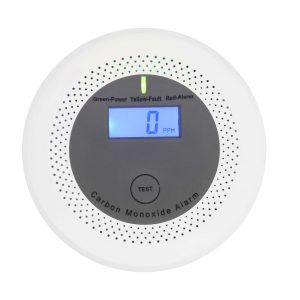


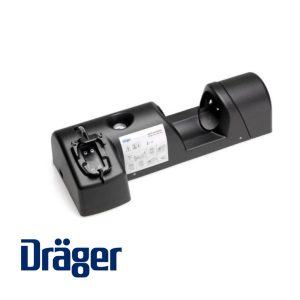



Gas detectors are precision devices that alert people to dangerous concentrations of toxic and explosive gases.
Types of Gas Detectors
Depending on their type and application, they are classified as residential or industrial, stationary or portable. Depending on the number of sensors, they are single-gas or multi-gas (combined).
You’ll find all types in our store.
Residential models are designed for use in the home, garage, basement, camper, RV, or yacht. They are small and require no frequent or complicated maintenance. They monitor for smoke, natural gas/propane-butane, or dangerous levels of carbon monoxide. They are most often mounted on the ceiling or in the lower parts of a room. The best models offer additional features, such as integration into a home network or connectivity to the internet and a mobile app.
Industrial models are high-end devices with numerous features, a high protection rating, and safety features for use in explosive environments.
Stationary gas detectors are designed for continuous monitoring and control of ventilation in indoor spaces. They continuously monitor the atmosphere (in warehouses, production areas, etc.) and, if the concentration of the monitored gases rises, open ventilation dampers and/or activate forced ventilation. If the concentration of toxic gases continues to rise and reaches levels hazardous to humans, the device will issue a warning to evacuate the room immediately.
Portable gas detectors are designed for personal protection. Lightweight and practical, they clip onto the worker’s outer garment and alert both the worker and those nearby with a loud audible, vibrating, and visual alarm in case of danger.
Applications of Gas Detectors
Gas detectors are used in chemical and petroleum manufacturing facilities, on ships, tankers, and in storage tanks, as well as in mines, fuel depots, specialized manufacturing facilities, the food industry, and by fire departments. Wherever there is a risk of elevated concentrations of toxic gases, especially in enclosed spaces, gas detectors are a critical safety component.
Any gas can become hazardous to humans if its concentration falls below or exceeds certain limits. Certain gases become explosive when a specific threshold is exceeded. Even at lower concentrations, many gases pose a health hazard with prolonged exposure. Gas detectors monitor not only the current concentration but also exposure over longer periods.
Regulatory Requirements
These practical devices are mandatory in gas-emitting manufacturing facilities, as well as when working in confined spaces (tunnels, caves, etc.), and in all cases where there is a requirement under the Occupational Health and Safety Act.


